
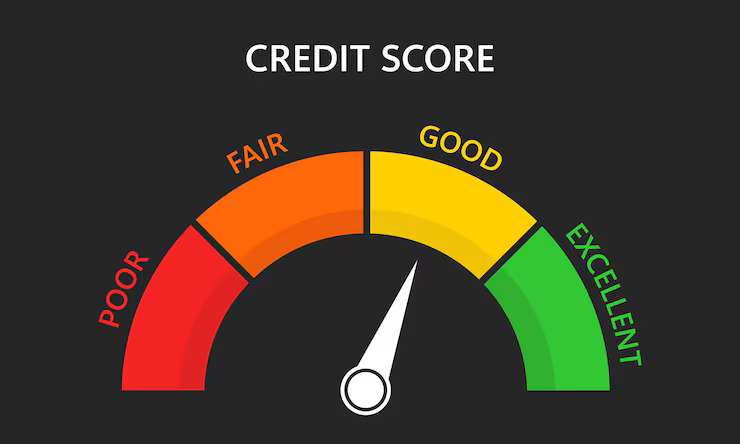
Buying a new home can be a complex process for everyone, and applying for a home loan can feel even more challenging. One of the most important factors in this process is your CIBIL credit score, which directly affects your eligibility and interest rate. A good credit score increases your chances of getting your dream home and opens doors to better loan schemes and policies. Don't take any stress if your score is low; it does not stop you from buying your dream home, but it makes your process difficult. So, without wasting any time, let's understand how you can maintain and improve your credit score to get your home loan approval smoothly and financial burden-free.
What is the CIBIL Credit Score System, And How Does it work?
A CIBIL credit score is a three-digit number that shows your creditworthiness. Basically, it is a calculation process that includes some factors such as credit history, payment history, the credit type and credit utilisation ratio. One thing is always remember higher CIBIL credit score comes with lower risk while applying for a loan, and it is not only applicable to housing but also to other things like Land, electronic items and so on. One more thing, CIBIL score runs between 300 to 900.
Where do you find your CIBIL SCORE?
Nowadays, there are many platforms available on the internet to check your CIBIL Score. Some of these are paid services, where you want to pay a small fee to view your credit report. However, several websites and applications offer limited free monthly checks, usually 2 to 3 times a month. You can use popular mobile applications for a free CIBIL Score check-up up like Google Pay and Paytm. Just a few clicks and get your CIBIL score in a few moments.
How to Improve your CIBIL Score while searching for a New Home
Are you worried about your low credit score? There are many ways that help you to maintain your CIBIL Score and improve it. Just make sure you want to follow this step in order to maintain your CIBIL score.
1. Pay Your EMIs and Credit Card Bills on Time
Timely payments are the best policy. When you pay your loan amount regularly, it will increase your CIBIL Score. However, if you missed or delayed payment, it will reduce your CIBIL Score Count. To solve this problem, you can set reminders or enable autopay to stay consistent.
2. Keep Credit Card Utilisation Below 30%
Credit cards help users pay amounts that they pay later. Every month, users get a bill that they repay after a month. If case customer avoids payment, they will receive a penalty. Always prefer to spend 30% of your credit card limit. It will help you to maintain your CIBIL score.
3. Avoid Multiple Loan Applications at Once
Every time you apply for a loan, lenders check your credit report (called a “hard inquiry”). Too many inquiries in a short time can make you look credit-hungry and lower your score.
4. Maintain a Mix of Credit Types
A good balance of secured loans, like home or car and unsecured loans, like credit cards or personal loans, shows that you can handle different kinds of credit responsibly.
5. Check Your Credit Report Regularly
Always check your Credit Report Regularly because incorrect loan entries or old data may hurt your score. Review your reports every few months and report any mistakes to CIBIL for correction.
6. Avoid Closing Old Credit Accounts
Old accounts show your long credit history, which boosts your score. Instead of closing them, keep them active with small transactions.
7. Pay More Than the Minimum Due
If you only pay the minimum amount on your credit card, it increases your outstanding balance and interest. Paying the full amount improves your credit health faster.
Tips To Maintain A Good Credit Score
Building a good credit score takes effort, but maintaining it is just as important. Here are some simple tips to keep your score strong and stable:
1. Always Pay on Time
Consistently paying your EMIs and credit card bills before the due date is the most effective way to maintain a high credit score.
2. Avoid Frequent Loan Applications
Multiple loan or credit card applications within a short time can lower your score. Apply only when truly needed.
3. Stay Within Your Budget
Avoid overspending or taking unnecessary loans. Financial discipline is the key to keeping your credit score steady in the long run.
Conclusion
Your credit score is more than just a number; it is a reflection of your financial discipline and trustworthiness. A good score not only helps you get faster home loan approvals but also ensures a lower interest rate becomes lower. So, make sure this note helps you to make a perfect decision while taking your loan.
Disclamier
The information provided in this blog is for educational and awareness purposes only. It should not be considered as financial advice or a substitute for professional consultation. Credit score policies, loan eligibility, and interest rates may vary depending on banks, financial institutions, and individual profiles. Readers are advised to verify details with their respective lenders or financial advisors before making any decisions.
Disclaimer: Information shared is for general awareness only and may vary based on project details and market conditions. Readers are advised to verify details independently before making any property-related decision.

28 Aug 2025

29 Aug 2025

25 Aug 2025

06 Oct 2025

26 Aug 2025
 Login
Login
 Contact Us